
17
Nov
Tips for Cooking a Pasture-Raised Turkey
- Category: Local
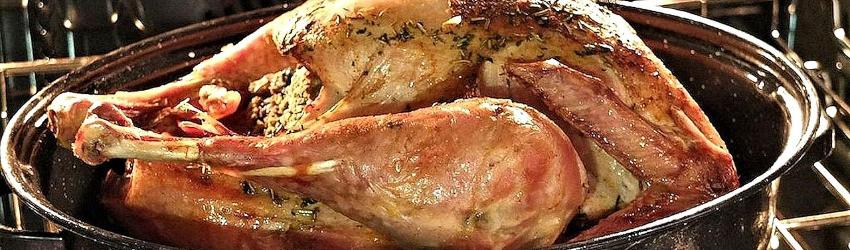
Pasture-raised turkeys are a delicious and nutritious centerpiece for any holiday meal. Because these birds spend their lives outdoors—moving, foraging, and developing strong muscles—their meat is richer in flavor and slightly leaner than conventional turkeys. With just a few adjustments to your cooking approach, you can prepare a pasture-raised turkey that is tender, juicy, and deeply satisfying.
Start with a Proper Thaw
Pasture-raised turkeys are often sold fresh, but if yours is frozen, allow plenty of time to thaw.
- In the refrigerator: Plan for 24 hours per 4–5 pounds.
- In cold water: Submerge in cold water, changing the water every 30 minutes, allowing 30 minutes per pound.
- A slow, even thaw helps the meat retain moisture.
Bring the Turkey to Room Temperature Before Roasting
Because pastured birds are leaner, placing a very cold turkey directly into the oven can lead to uneven cooking. Let the bird rest at room temperature for 30–45 minutes before roasting.
Don’t Overcook
Pasture-raised birds cook faster than conventionally raised turkeys. To avoid dryness:
- Use a meat thermometer.
- Pull the turkey from the oven when the breast reaches 155–160°F and the thigh reaches 165°F.
- Let it rest for at least 20–30 minutes; it will continue to rise slightly in temperature as the juices redistribute.
Consider a Lower, Slower Roast
Because pasture-raised meat can be firmer, many cooks prefer a lower roasting temperature.
- Roast at 325°F for a tender, evenly cooked turkey.
- For a crispier skin, you can start or finish the bird at a higher temperature (425°F for 15 minutes).
Brining Helps—But Keep It Simple
A brine enhances flavor and moisture, especially for leaner birds. Options include:
- Wet brine: Salt, water, herbs, and aromatics.
- Dry brine: Rubbing the turkey with salt and spices 24–48 hours ahead of time.
- Dry brining is easier and takes up less space while still yielding excellent results.
Add Fat for Flavor
Pasture-raised turkeys don’t have as much internal fat as conventional ones. A little added fat improves tenderness.
- Rub butter or olive oil under and on top of the skin.
- Brush with pan drippings halfway through roasting.
- For an extra boost, tuck a strip of bacon or pancetta over the breast meat—remove it during the last 30 minutes so the skin can crisp.
Roast on a Bed of Aromatics
Roasting the turkey on a rack of vegetables enhances flavor and helps prevent the bottom from overcooking. Try:
- Onions, carrots, and celery
- Apples, citrus, or fresh herbs
- These aromatics combine with the drippings to create an exceptional gravy.
Use the Drippings for a Rich, Dark Gravy
Pasture-raised turkey drippings have deep flavor—perfect for gravy. Use them to create a stock while the turkey rests, or combine them with homemade broth or water. The result is naturally savory and doesn’t require much seasoning.
Let the Turkey Rest
Resting is essential for keeping the meat juicy. Allow at least 20–30 minutes before carving, loosely tented with foil. This step makes a big difference in tenderness.
Expect Incredible Flavor
Pasture-raised turkeys deliver:
- Rich, “real turkey” flavor
- Firm, satisfying texture
- Clean, vibrant aromas from fresh pasture forage
With a few simple adjustments, the results are exceptional.



